Burnout Is Not Just an HR Issue – It Is Also a Safety Issue

Burnout is most often viewed as an employee well-being issue, but its consequences can directly affect how work is performed – and, as a result, the safety of people.

When we hear that someone is burned out at work, we usually think of a person who has lost the motivation to work, is frequently absent or is considering leaving the company. For this reason, burnout is generally associated with employee satisfaction, motivation and staff retention. However, its impact goes beyond how an employee feels. It can also affect how safely they perform their work.

Burnout Is Often Not Recognized Immediately

Burnout is rarely identified through one obvious sign. More often, it appears as a gradual disengagement from work. An employee who was once actively involved may start working mechanically. They may find it harder to concentrate, become more easily frustrated by minor issues, and require more effort to complete tasks they previously handled without difficulty. At times, they may become more distant toward colleagues or clients, not because they do not care, but because they are trying to preserve what little energy they have left.

In this state, a person does not suddenly forget how to do their job. What changes, however, is the way they perform it. The likelihood of steps being carried out in the wrong order, information being misread or a response being delayed may increase. There may also be less willingness to double-check something that appears familiar or routine.

If the job involves driving, operating machinery, working at height, supervising other people or making important decisions, such deviations can have serious consequences.

Another concern is that employees often continue working even when they are already significantly exhausted. They are physically present, but their functional capacity may be considerably reduced.

Others may interpret this as carelessness, lack of interest or a poor attitude. The employee may then be told to try harder, become more organized or demonstrate greater commitment. This can miss the underlying issue and further deepen exhaustion.

Burnout Signals Organizations Should Not Ignore

The early signs should not be sought only in sick leave or employee turnover. They can also appear as an increase in minor mistakes, forgotten agreements, withdrawal from communication, unusual irritability or a growing feeling among employees that whatever they do is simply not good enough.

Burnout prevention is not about organizing a single workshop or occasionally reminding people to “take care of themselves.” It requires understanding what is draining employees day after day: workload, lack of support, constant availability, unclear expectations or the feeling that they have no influence over how their work is performed.

When an employee has exhausted their internal reserves, it is not only their job satisfaction that is affected. The reliability of work can also be compromised.

That is why burnout deserves a place in workplace safety discussions – before its cost becomes visible through a serious error, injury or an incident that could have been prevented.

ESG Is Not Just About Reporting – It Starts in the Workplace

When the term ESG is mentioned, the first things that usually come to mind are sustainability reports, carbon emissions, various indicators and regulatory requirements. However, ESG should not be viewed merely as a process of collecting data and preparing reports. Its real value is created much earlier – in the production process, in the office, warehouse, on the construction site and in every other workplace.

This is precisely where the strong connection between ESG and HSE – health, safety and environmental protection becomes evident. The modern ESG approach recognizes employee health and safety as an important part of the social, or “S,” pillar, together with working conditions, labour practices, employee engagement and workforce development.

A safe workplace is therefore not simply a matter of regulatory compliance. It is also an indicator of how an organization treats its employees, how it manages risks and the level of safety culture within the company.

ESG and Occupational Health and Safety: Where Does the “S” Pillar Begin?

The social component of ESG covers a company’s relationship with people – employees, business partners and other stakeholders. In this context, occupational health and safety are important elements of responsible business practices.

Good working conditions involve much more than formally implementing measures and meeting the minimum requirements prescribed by law.

What Do Good Working Conditions Involve?

They include a planned, well-organized and properly maintained workplace, safe equipment, appropriate working conditions, ergonomics, the management of hazardous substances and other risks, employee training at all levels, fire protection and preparedness to respond to emergencies.

Clear messages from management, open communication and the ability of employees to report hazards are equally important.

A company that encourages employees to raise concerns about risks, report near miss events or suggest improvements to the system demonstrates that safety is not merely a formal obligation, but an integral part of its organizational culture.

HSE and ESG: How Does Safety Become Part of Governance?

The connection between HSE and ESG does not end with the “S” component. HSE is also an important part of the “G” – the governance dimension of ESG.

Risk assessments, clearly defined responsibilities, procedures, supervision, internal audits, incident investigations and monitoring of corrective actions are typical HSE activities, but they are also fundamental elements of responsible corporate governance.

ESG therefore does not ask only how many injuries have occurred. It is also important to understand how the organization manages risks, whether management monitors performance, whether employees are involved, and whether lessons are learned from near miss events and incidents.

Risk Management Is More Than a Formal Procedure

Effective risk management means that an organization understands its key risks, knows who is responsible for managing them, understands how performance is measured and knows what action should be taken when deviations are identified.

In this sense, a risk assessment is not simply a document that must exist to satisfy a legal requirement. It should serve as the basis for defining preventive and protective measures and making decisions that directly affect employee safety and business continuity.

Why Are Incidents and Near Miss Events Important for ESG?

Every incident provides information about what did not work as intended within the system. The same applies to a near miss – an event in which there was a possibility of injury or damage, but the potential consequence ultimately did not occur.

Organizations that systematically report and analyze such events have an opportunity to take action before a serious consequence occurs.

That is why a mature HSE system does not measure only the number of injuries. It also monitors how the organization identifies risks, responds to incidents, implements corrective actions and prevents problems from recurring.

Environmental Protection: The Connection Between “E” and the HSE System

ESG and HSE are also connected through the third component – “E,” or environmental protection.

Proper management of hazardous substances, prevention of unwanted events that could affect the environment, monitoring and control of emissions, proper waste storage and equipment maintenance all contribute to protecting both employees and the environment.

For this reason, health, safety and environmental protection are increasingly being managed through an integrated HSE system.

One Risk Can Threaten Both People and the Environment

An incident involving a hazardous substance, for example, can simultaneously pose a risk to employee health, process safety, company assets and the environment.

This is precisely why an integrated approach allows a company to assess risks holistically and connect different areas of protection within a single management system.

ESG Indicators: How Do We Measure What Is Actually Happening?

To monitor progress, organizations need specific ESG indicators. However, their value does not lie simply in presenting them in a report.

Indicators should provide a realistic picture of what is happening within the organization and serve as a basis for decision-making and continuous improvement.

Organizations may monitor, among other things, the number and severity of injuries, incidents, reported near miss events, completion of training, results of internal audits and implementation of corrective actions.

It is important, however, to look at safety more broadly – across the entire value chain.

ESG Responsibility Does Not End With Employees

Risks do not arise only within the organization. They can also be associated with contractors, service providers, suppliers and other business partners.

Therefore, a responsible ESG strategy should also cover how a company manages risks across its value chain.

ESG Reporting Is the Result, Not the Starting Point

An ESG report should be viewed as the final representation of what actually took place within an organization during the reporting period.

If employees work in safe and healthy conditions, understand the risks, participate in improving the system and receive support from management, the company is already implementing an important part of its ESG strategy.

ESG should therefore not be viewed as another reporting obligation, but as a way for a company to responsibly manage its people, risks, the environment and its business operations.

A report can present the results, but an ESG strategy is built every day – in every workplace.

ESG is not reflected only in the content of a report, but above all in the quality of the working environment and the conditions in which employees work every day.

Training as an Investment: What Is the Real Cost of an Untrained Employee?

The cost of quality training is visible in the quotation. The cost of inadequate training usually becomes visible later – through errors, downtime, scrap, equipment damage, injuries, absences, customer complaints and lost client trust.

That is why the real question is not: “How much does employee training cost?”

The real question is: “What level of risk are we exposing our people and our business to if we assign an employee a task for which they have not demonstrated competence?”

In occupational safety and health, training is often viewed primarily as a legal requirement. For a responsible organization, however, it is also a business investment: in more reliable operations, fewer disruptions, consistent quality and employees’ ability to respond correctly when working conditions change.

What Does “Untrained Employee” Actually Mean?

An untrained employee is not simply someone who does not have a signed training form or certificate.

It can also be an employee who has formally attended training but:

  • does not recognize the specific hazards associated with their workplace;
  • does not understand the limits of safe work or the conditions under which an activity must be stopped;
  • cannot correctly apply a work procedure or use personal protective equipment;
  • has not been practically assessed as capable of performing the task safely;
  • does not know how to respond to equipment failure, deviations or an emergency situation;
  • operates new equipment or works within a modified process without appropriate additional training.

In other words, a training record is not the same as demonstrated competence.

How Much Does Lack of Competence Cost?

There is no single universal cost that applies to every workplace or company.

The cost associated with an employee who is not adequately trained to work safely and correctly can emerge in several areas at the same time:

  1. Cost of errors and rework – incorrect handling, scrap, customer complaints, additional inspections and wasted materials.
  2. Cost of downtime – stopped production lines, waiting for maintenance, delayed deadlines and unused capacity.
  3. Cost of injury or ill health – lost working days, employee replacement, overtime, incident investigation, corrective measures and potential compensation claims.
  4. Cost of equipment and infrastructure damage – repairs, spare parts, temporary removal of equipment from service and resulting production losses.
  5. Cost of non-compliance – regulatory measures, fines, work stoppages, customer findings and failed supplier audits.
  6. Cost of lost trust – delivery delays, complaints, difficulties securing new contracts and reputational damage.

The biggest problem is that these costs are rarely recorded under a single account. They are distributed across production, maintenance, quality, human resources, the occupational safety and health function and management. As a result, the real cost of inadequate training remains hidden.

What Do the Real-World Data Show?

According to estimates by the International Labour Organization, approximately 2.93 million people die each year as a result of work-related factors, while around 395 million workers suffer a non-fatal occupational injury.

EU-OSHA estimates that work-related injuries and diseases cost the European Union approximately €476 billion per year, equivalent to around 3.3% of EU GDP.

For 2023/24, the UK Health and Safety Executive estimated the total cost of new cases of work-related injury and ill health at £22.9 billion. The average total cost was approximately £10,000 per injury case and £24,200 per new case of work-related ill health. Of the total, around £4.3 billion represented costs incurred by employers.

These figures are not a price list that can be directly applied to an individual company in Serbia. They do, however, clearly illustrate the scale of the consequences when prevention, work organization and employee competence are not at the required level.

Does Training Alone Prevent Injuries?

No – and this is one of the most important professional messages.

A systematic review by NIOSH and the Institute for Work & Health, based on 22 randomized studies, found strong evidence that training has a positive effect on employees’ safety behaviour. At the same time, the authors did not find sufficient evidence that training, when used as a stand-alone measure, by itself reduces injuries and work-related ill health.

This does not diminish the importance of training. On the contrary, it shows where training belongs within the broader safety system.

Training cannot compensate for unsafe equipment, inadequate safeguards, poor work organization, unclear procedures or a lack of supervision. The best results are achieved when training forms part of a comprehensive system that connects risk assessment, technical and organizational measures, instructions, practical work, leadership and verification of how learning is applied.

That is why a quality training programme should not teach employees only what the procedure says, but also:

  • why a particular control measure is necessary;
  • how to apply it correctly in real working conditions;
  • how to recognize a deviation;
  • when work must be stopped;
  • whom to report a problem to;
  • how to respond in an emergency.

What Do Serbian Regulations Require?

The Republic of Serbia’s Occupational Safety and Health Act (“Official Gazette of the Republic of Serbia”, No. 35/2023) does not treat training as a mere formality.

Article 33 requires employees to receive training for safe and healthy work when entering into employment or another form of engagement, when being transferred to other duties, when new technology or new work equipment is introduced, when equipment is changed and when the work process changes. Training must be adapted to the specific characteristics of the workplace and the risks identified in the risk assessment document.

Article 34 requires training to be delivered both theoretically and practically, in accordance with a programme containing general and specific components. Theoretical and practical competence must be assessed at the workplace.

Periodic training for employees working in positions involving increased risk must be conducted no later than one year after the previous training, while for other workplaces it must be conducted no later than three years after the previous training.

For a legal entity that fails to adopt the required programme and provide the prescribed employee training, Article 100 provides for a fine of RSD 1.5 million to RSD 2 million. For the director or another responsible person, the prescribed fine ranges from RSD 30,000 to RSD 150,000.

A fine, however, represents only one part of the potential cost. The consequences of a serious incident, operational disruption or the loss of an important client can be considerably greater.

How Can a Company Calculate the Cost of Inadequate Training?

Instead of relying on general marketing claims, a company should calculate its own business case.

A basic model can be expressed as:

Cost of inadequate training = cost of errors and scrap + cost of downtime + cost of absences and replacements + cost of incidents + cost of damage + cost of non-compliance + lost business

To assess the impact of training, companies should monitor a period before and after implementation, using indicators such as:

  • number of errors, customer complaints and rework;
  • hours of downtime caused by improper handling;
  • number of unsafe conditions, incidents and injuries;
  • number of non-conformities identified during internal and external audits;
  • time required for a new employee to reach the required level of independent performance;
  • theoretical and practical assessment results;
  • application of learned practices during workplace observations.

The return on investment can be calculated using the following formula:

Training ROI (%) = (avoided costs – total training costs) / total training costs × 100

It is important to emphasize that even serious international analyses do not establish one universal rate of return applicable to every occupational safety and health training programme.

Actual ROI depends on workplace risks, the initial level of competence, programme quality, management support and consistency in applying what has been learned.

The return should therefore not be assumed – it should be measured.

When Does Training Become a Real Investment?

Training creates business value when it is:

  • based on risk assessment and the actual needs of the work process;
  • tailored to the specific tasks, equipment and responsibilities of participants;
  • aligned with the company’s current procedures and instructions;
  • theoretical, practical and focused on real-life situations;
  • completed with an assessment of knowledge, skills and the ability to respond correctly;
  • supported by direct supervisors;
  • followed by workplace observation, feedback and periodic knowledge refreshers;
  • linked to measurable indicators of safety, quality and productivity.

Attendance at a training session confirms that an employee was in the room.

Only practical assessment demonstrates whether they can perform the work safely.

How Can You Improve Training in Your Organization?

The most expensive training is not necessarily the training with the highest cost per participant.

The most expensive training is training that takes employees’ time but does not change the way work is performed.

TEHPRO Education Centre develops statutory, professional and in-house training programmes based on risks, work processes and the specific needs of each organization.

The goal is not simply to transfer information, but to build competencies that can be assessed and applied in a real working environment – from safe equipment handling and high-risk activities to LOTO, Permit to Work systems, fire protection, emergency response and the development of a strong occupational safety and health culture.

Training is a cost that can be planned.

Lack of competence is a risk whose cost organizations often discover only when it is too late.

When Does Organizational Stress Become a Safety Risk?

We often mention workplace stress as though it were a personal trait. Some people are more resilient, some more sensitive, and some are said to “well under pressure”. While that explanation is simple, it also shifts attention away from the conditions in which people actually work. When stress becomes chronic, affects a large portion of the workforce, and turns into the norm rather than the exception, it can no longer be viewed as an individual problem.

How Does Organizational Stress Develop?

Organizational stress rarely arrives with a dramatic announcement. It gradually builds through constantly tight deadlines, unclear priorities, frequent changes in direction, understaffing, or the persistent feeling that everything needs to be completed immediately.

Over time, subtle changes begin to appear. People become less patient with one another. Conversations grow shorter. Questions are asked less frequently because “there isn’t time to get into that right now.” Information is passed along informally, and anything that isn’t considered urgent is pushed aside for later.

How Does Chronic Stress Affect Decision-Making?

Prolonged pressure also changes the way we think.

Our attention narrows, switching between tasks becomes more difficult, and we’re more likely to settle for the first acceptable solution instead of carefully evaluating all available options.

Even experienced professionals may overlook something they normally wouldn’t – not because they’ve lost their knowledge or sense of responsibility, but because no one’s mental capacity is unlimited.

This is where stress begins to intersect with safety.

It often starts with seemingly minor issues: a skipped verification step, information that wasn’t communicated, instructions that were misunderstood, or a decision to continue working despite uncertainty about the situation.

Most of these situations pass without consequences.

Ironically, that’s precisely what makes them dangerous.

When nothing goes wrong several times in a row, the behavior gradually begins to feel acceptable. Over time, an unspoken norm develops:

“Things are always chaotic around here.”
“Let’s just get through this week.”
“We’ll fix it when things slow down.”

The problem is that the quieter period often never comes.

People adapt and keep moving forward, while elevated stress slowly becomes part of the organization’s daily routine.

Adaptation, however, should never be mistaken for the absence of consequences.

Sometimes it simply means we’ve stopped noticing them.

Recognizing the Early Warning Signs

When an error occurs, it’s easy to focus on the individual who made it.

It’s far more valuable to step back and examine what came before.

How long had that person been working without a meaningful break?

Did they have complete and accurate information?

How many times did priorities change that day?

Did they feel comfortable saying they couldn’t meet the workload, or were they worried it would sound like an excuse?

These questions often reveal much more than simply asking who made the mistake.

What Can Organizations Do?

Organizations should pay attention to these warning signs long before a serious incident occurs.

Not through another compliance checklist or formal audit, but through honest conversations about how work actually gets done.

Where are employees constantly rushing?

What interrupts their work?

Which decisions are routinely made under pressure?

What concerns are people keeping to themselves?

It’s equally important to re-examine practices that have gradually become “normal” even though they consistently push employees to the limits of their cognitive and emotional capacity.

Organizational stress becomes a safety risk when it begins shaping how people perceive situations, communicate with one another, and make decisions.

At that point, expecting individuals to simply be more careful, calmer, or more resilient is no longer enough.

The organization must have a closer look at the system within which those expectations exist.

An organization’s responsibility is not to eliminate every source of pressure – that would be unrealistic.

Its responsibility is to recognize the point at which job demands begin to exceed the capacity of the people expected to perform the work.

If these conversations only begin after an accident, injury, or serious mistake has already occurred, the warning signs arrived too late.

A safer workplace is not created by asking people to endure just a little more.

It is created when organizations take seriously the conditions that make it harder for employees to work carefully, think clearly, and make responsible decisions.

At TEHPRO, we encounter these challenges through our daily work with companies, as well as through consultations and tailored in-house training programs designed around the specific situations employees face in their work environment. This experience has consistently shown us how important it is to address these topics before they develop into incidents, workplace injuries, or serious organizational challenges.

Why In-House Training Delivers Better Results Than Generic Training Programs

in-house trening

In today’s business environment, where operational processes are constantly evolving and technologies are becoming increasingly complex, continuous employee development is no longer optional, it is a business necessity. One question, however, continues to emerge: are standard training programs enough to ensure employees truly understand workplace risks and can apply what they’ve learned in their daily work? Our experience, built over more than 35 years of working with organizations across various industries, shows that the answer is often no. That is why more and more companies are investing in in-house training programs, training designed specifically for their organization, tailored to their processes, equipment, operational risks, and everyday challenges.

What Is In-House Training?

In-house training consists of professional training programs delivered directly within an organization and customized to its specific operational needs. Unlike standardized seminars or generic courses, these programs are developed based on the company’s:

  • Industry and business activities,
  • Organizational structure and workflows,
  • Existing procedures,
  • Risk assessments,
  • Equipment and technologies in use,
  • Previous incidents and near misses,
  • Regulatory and compliance requirements,
  • Employees’ current level of knowledge and experience.

Instead of learning from examples taken from unrelated industries, employees work through scenarios they encounter every day, making it much easier to understand, retain, and apply the knowledge.

Why Generic Training Often Falls Short

Many organizations invest significant resources in employee training only to experience recurring issues such as:

  • Failure to follow established procedures,
  • Repeated unsafe behaviors,
  • Limited understanding of individual responsibilities,
  • Poor application of newly acquired knowledge in real work situations.

The reason is simple: people learn most effectively when they can relate new information to situations they actually experience. If employees spend an entire training session discussing hazards associated with equipment they never use or procedures that don’t apply to their workplace, the likelihood of retaining and applying that knowledge decreases significantly. This is why modern corporate learning increasingly emphasizes context-based, practical training that reflects employees’ real working environments. 

What Makes an Effective In-House Training Program?

A successful training program doesn’t begin when the instructor walks into the classroom. It starts long before the training day with careful planning and preparation.

1. Understanding the Organization

The first step is gaining a thorough understanding of how the company operates. This includes reviewing:

  • Business activities,
  • Organizational structure,
  • Operational processes,
  • Level of automation,
  • Employee roles and responsibilities,
  • Key operational challenges.

Without understanding the business context, it is impossible to design training that creates meaningful value.

2. Identifying Training Objectives

Every organization has different priorities. Some aim to increase employee awareness, while others want to improve procedural compliance, reduce workplace injuries, strengthen communication between departments, or prepare for regulatory inspections or third-party audits. The highest value comes from clearly defining what the organization would like to achieve before developing the training program.

3. Evaluating Existing Systems

Before designing the curriculum, it is essential to review existing documentation and practices, including:

  • Risk assessments,
  • Existing procedures,
  • Internal inspection results,
  • Incident and accident reports,
  • Regulatory inspection findings,
  • Previous training initiatives.

This transforms training from a formal requirement into a practical tool for solving real operational challenges.

4. Developing a Customized Program

Once the assessment is complete, the training content is tailored to the organization’s specific needs. Depending on the objectives, this may include:

  • Photos from the company’s facilities,
  • Real workplace scenarios,
  • Incident analysis,
  • Hands-on workshops,
  • Practical simulations,
  • Group exercises,
  • Case studies.

This approach significantly improves engagement and knowledge retention.

5. Using Effective Learning Methods

Modern professional training extends far beyond traditional classroom lectures. Depending on the topic, effective learning methods may include:

  • Practical demonstrations,
  • Interactive workshops,
  • Real-life simulations,
  • Root cause analysis of workplace incidents,
  • Facility walkthroughs,
  • Group discussions and knowledge sharing.

The objective is to actively involve participants throughout the learning process rather than simply presenting information.

Common Topics Covered by In-House Training

Customized training programs can address a wide range of operational and compliance topics. Common areas include:

Occupational Health and Safety (OHS)

  • Risk assessment and control,
  • Safe work practices,
  • Incident management,
  • Safety culture development.

Lockout/Tagout (LOTO)

  • Hazardous energy isolation,
  • Lockout procedures,
  • Employee and contractor responsibilities.

Working at Height

  • Hazard identification,
  • Proper use of fall protection equipment,
  • Safe planning and execution of work at height.

Fire Safety

  • Fire prevention measures,
  • Emergency response procedures,
  • Evacuation and rescue planning.

Chemical Safety Management

  • Chemical classification and labeling,
  • Safe storage practices,
  • Safety Data Sheet (SDS) interpretation and use.

Environmental Protection

  • Waste management,
  • Emissions control,
  • Environmental compliance.

Benefits of In-House Training

More Relevant Content Training is directly aligned with employees’ actual work processes and responsibilities. Greater Employee Engagement Participants immediately recognize the relevance of the material because it relates directly to their daily work. Faster Knowledge Transfer Employees can apply newly acquired skills immediately after completing the training. Stronger Safety Culture People better understand their role within the organization’s overall risk management system. Improved Regulatory Compliance Organizations are better positioned to meet legal and regulatory obligations. Reduced Risks and Operational Costs Better understanding of procedures helps reduce injuries, incidents, equipment damage, and operational downtime.

In-House Training as a Driver of Safety Culture

One of the greatest advantages of customized training is its ability to strengthen an organization’s safety culture. Regardless of how well procedures, policies, or technical safeguards are designed, they only work if employees understand and consistently apply them. When employees can identify hazards, understand the consequences of unsafe behavior, and know how to respond appropriately, organizations become safer, more resilient, and more efficient. That is why leading companies no longer view employee training as an expense, but as a strategic investment in their people, operational performance, and long-term business sustainability.

Why Choose Tehpro for In-House Training?

For more than 35 years, Tehpro has been providing professional consulting and training services in the areas of:

What sets Tehpro apart is not only our extensive knowledge of regulations and international standards, but our ability to transform technical expertise into practical solutions that employees can immediately apply in their daily work. Every training program is designed to address the specific challenges of each organization, strengthen employee competence, and drive measurable improvements in operational performance.

Conclusion

In-house training is one of the most effective ways to bridge the gap between theory and practice, transforming knowledge into consistent, responsible workplace behavior. When training reflects an organization’s actual operations, risks, and objectives, the results become evident much more quickly through improved workplace safety, stronger compliance, better operational performance, and a more mature organizational culture. Looking for Training Tailored to Your Organization? Contact the Tehpro Training Center to learn how our customized in-house training programs can help your organization improve workplace safety, reduce operational risks, strengthen compliance, and build a sustainable management system for long-term success.

What Is a LOTO (Lockout/Tagout) System and How Does It Protect Your Employees, Equipment, and Business?

loto oprema

How Proper Hazardous Energy Control Protects Employees, Equipment, and Business Operations?

Maintenance, servicing, cleaning, adjustments, and equipment repairs are routine activities in manufacturing facilities, industrial plants, power generation systems, and process industries. However, these tasks often expose workers to one of the most serious workplace hazards: the uncontrolled release of hazardous energy.

An unexpected machine start-up, the activation of a pneumatic system, the release of hydraulic pressure, or stored electrical energy can result in severe injuries, amputations, permanent disabilities, or even fatalities within seconds.

For this reason, modern industrial organizations implement LOTO (Lockout/Tagout) or the more comprehensive LOTOTO (Lockout/Tagout/Tryout) system, one of the most effective methods for controlling hazardous energy during maintenance and servicing activities.

Simply put, a LOTO system ensures that equipment is placed in a verified safe condition before anyone begins working on it.

What Is a LOTO System?

Lockout/Tagout (LOTO) is a structured system of procedures, devices, and safety rules designed to prevent the unexpected energization or startup of machinery, as well as the uncontrolled release of hazardous energy during maintenance, repair, cleaning, or servicing.

Before any work begins, equipment must be:

  • Safely shut down
  • Isolated from every energy source
  • Secured with approved lockout devices
  • Clearly identified using warning tags
  • Relieved of any stored or residual energy
  • Verified to confirm that it is safe to work on

With a LOTOTO system, an additional “Tryout” step is included to verify that the isolation has been successfully completed before maintenance begins.

In other words, turning equipment off is not enough. You must confirm that hazardous energy has been completely eliminated.

Which Energy Sources Present a Safety Risk?

One of the most common misconceptions is that LOTO only applies to electrical energy.

In reality, hazardous energy exists in nearly every industrial operation.

A comprehensive LOTO program controls:

  • Electrical Energy – The most common cause of serious maintenance-related injuries due to unexpected energization.
  • Pneumatic Energy – Compressed air systems can unexpectedly activate equipment or release components under pressure.
  • Hydraulic Energy – High-pressure hydraulic systems can create severe crushing and injection hazards if not properly isolated.
  • Mechanical Energy – Rotating shafts, conveyors, gears, belts, flywheels, and moving machine components can cause catastrophic injuries.
  • Gravitational Energy – Raised loads, suspended platforms, or elevated machine components may fall if proper supports or restraints are not used.
  • Thermal Energy – Steam systems, heated equipment, and high-temperature process lines remain hazardous even after shutdown.
  • Chemical Energy – Pressurized chemicals and hazardous process materials require specialized isolation procedures before maintenance.
  • Stored or Residual Energy – Capacitors, compressed springs, pressure vessels, elevated loads, and other energy storage systems can remain dangerous even after equipment has been switched off.

Why Do Maintenance Accidents Happen?

Investigations of industrial incidents around the world consistently show that many serious workplace injuries occur during routine maintenance activities.

The most common causes include:

  • Missing or inadequate LOTO procedures
  • Failure to identify all hazardous energy sources
  • Improper energy isolation
  • Insufficient employee training
  • Contractors working without appropriate controls
  • Failure to verify energy isolation before work begins

This is why LOTO should never be viewed as merely a technical procedure – it is a fundamental component of an effective occupational health and safety management system.


What Does an Effective LOTO Program Look Like?

A successful LOTO program is built upon clearly documented, equipment-specific procedures.

Each procedure should be developed for an individual machine, system, or process.

A comprehensive LOTO procedure should include:

  • Equipment identification
  • Equipment location
  • Identification of all hazardous energy sources
  • Isolation points
  • Shutdown sequence
  • Lockout and tagging procedures
  • Residual energy dissipation methods
  • Verification of zero energy state
  • Safe work practices
  • Equipment restart procedures
  • Clearly defined responsibilities for everyone involved

Equally important, procedures should be visual, practical, easy to understand, and simple to follow in the field.

LOTO Training

Even the best procedures are ineffective if employees do not understand why they exist or how to apply them correctly.

Training is therefore one of the most critical elements of any successful LOTO program.

An effective LOTO course combines classroom instruction with practical, hands-on exercises.

Employees should learn:

  • How to identify hazardous energy sources
  • When LOTO is required
  • How to properly use locks and lockout devices
  • How to interpret LOTO procedures
  • How to verify that equipment is in a zero-energy state
  • Their individual responsibilities within the program

Training should also be tailored to different groups of personnel, including:

  • Machine operators
  • Maintenance technicians
  • Supervisors
  • HSE and Occupational Safety professionals
  • Contractors and subcontractors

In complex industrial environments, effective coordination among all involved personnel is essential for preventing incidents.

Why Are LOTO Audits Essential?

Many organizations have written procedures, lockout devices, and formal compliance requirements in place.

However, this does not automatically mean that the system is functioning effectively.

Regular LOTO audits are essential for evaluating actual implementation in the workplace.

A comprehensive audit determines:

  • Whether procedures are current and accurate
  • Whether procedures reflect actual equipment configurations
  • Whether isolation points are clearly identified
  • Whether lockout devices are readily available
  • Whether employees understand their responsibilities
  • Whether contractors follow established procedures
  • Whether critical operations require additional safeguards

The outcome of a LOTO audit is a practical action plan containing corrective and preventive measures that improve workplace safety.

The Benefits of a Well-Implemented LOTO Program

Our experience has shown that organizations implementing structured LOTO programs achieve:

  • Fewer workplace injuries
  • Improved equipment reliability
  • Reduced unplanned downtime
  • More efficient maintenance operations
  • Better contractor management
  • Compliance with international standards and industry best practices
  • A stronger organizational safety culture

A LOTO program is an investment that simultaneously protects people, assets, and business continuity.

Tehpro’s Role in Building an Effective LOTO System

For more than 35 years, Tehpro has provided professional consulting and technical support in the areas of occupational health and safety, risk management, environmental protection, fire protection and prevention, education and training, and technical security solutions.

Our LOTO services include:

  • Hazardous energy source identification
  • Development and optimization of LOTO procedures
  • Delivery of LOTO training programs
  • System compliance assessments
  • Comprehensive LOTO audits
  • Development of corrective action plans
  • Support in implementing international best practices

Our goal extends beyond regulatory compliance.

We help organizations build practical, sustainable systems that improve workplace safety, operational efficiency, and long-term reliability.

Conclusion

The most severe workplace accidents often occur when employees believe equipment has been safely isolated, while hazardous energy still remains within the system.

A properly designed, implemented, and regularly audited Lockout/Tagout (LOTO) program introduces control, consistency, and predictability into high-risk maintenance activities.

When fully integrated into an organization’s safety management system, LOTO remains one of the most effective safeguards against serious industrial incidents, protecting employees, preserving equipment, and ensuring uninterrupted business operations.

Would you like to assess the effectiveness of your existing Lockout/Tagout (LOTO) program or implement one within your organization?

Contact Tehpro to learn how we can help your company improve workplace safety, reduce operational risks, and establish a sustainable Lockout/Tagout (LOTO) program for the effective control of hazardous energy.

TEHPRO – 35 Years as Your Partner in Sustainable Business

esg

MANAGEMENT AS AN ALLY: How to Secure Leadership Support for ESG Initiatives

Date: September 24, 2026
Time: 10:00 AM – 2:00 PM
Venue: Mona Plaza Hotel, Cara Uroša 62–64, Belgrade, Serbia

A practical workshop designed for professionals who want to gain management support and successfully implement ESG initiatives within their organizations.

WORKSHOP OBJECTIVES

  • Understand how investment decisions related to sustainability and ESG are made
  • Master techniques for influencing management and decision-makers
  • Learn how to overcome management resistance and skepticism
  • Develop a compelling ESG pitch that drives stronger leadership buy-in

WORKSHOP TOPICS

Why ESG Is Not Always a CEO’s Priority

CEO Archetypes and Influence Strategies

Exercise: Identifying Management Profiles

The Influence Formula: How to Communicate Effectively with Management

Exercise: Mini ESG Pitch

Overcoming Resistance: Real-World Business Scenarios

Exercise: Developing a Personalized ESG Pitch

Final Session: The Management Mindset and Your Role as an ESG Leader

WHO SHOULD ATTEND?

The workshop is intended for junior and middle management professionals, as well as employees responsible for:

  • Sustainability and ESG
  • Procurement
  • Finance
  • Compliance and Risk Management
  • Human Resources and Internal Processes
  • Other functions involved in sustainability-related initiatives

PARTICIPANT MATERIALS

Each participant will receive:

  • Workshop presentation materials
  • Additional online learning resources
  • ESG management communication pitch template
  • Checklist: Is Your Business Case Strong Enough?
  • Management Profile Matrix featuring four leadership profiles and recommended communication strategies

For more than 35 years, Tehpro has been providing professional support in the fields of occupational health and safety, environmental protection, risk management, regulatory compliance, and corporate sustainability.

Our mission is clear:

We transform knowledge into value and challenges into sustainable solutions.

“ESG initiatives do not succeed because of ideas alone. They succeed because of people who know how to communicate them effectively and secure the support they need.”

JOIN US

Strengthen your influence where it matters most — at the heart of business decision-making.

REGISTRATION & ADDITIONAL INFORMATION

Dragana Rasic
Education Center Coordinator

✉️ dragana.rasic@tehpro.rs
📞 +381 62 8081 483

Autumn OSH Forum 2026: A Meeting Point for Expertise, Practice, and New Perspectives in Occupational Safety and Health

jesenski forum bzr 2026 najava

At a time when work environments are rapidly evolving, and occupational safety and health challenges are becoming increasingly complex, organisations can no longer view OSH solely through the lens of regulatory compliance. Modern systems require resilience, adaptability, leadership, and the ability to make decisions in unpredictable circumstances.

For this reason, the traditional Autumn OHS Forum 2026, organised by the TEHPRO Training and Education Centre, will take place from October 12–14, 2026, at the Grand Hotel & Spa on Kopaonik Mountain.

This three-day professional gathering will bring together professionals, experts, and decision-makers from the field of occupational safety and health.

The Forum is designed as a space for open dialogue, exchange of experience, and practical solutions – a place where safety is viewed not as an administrative obligation, but as an essential component of business strategy, organisational culture, and sustainable development.

“OHS 2026–2030: From Compliance to Resilient and Intelligent Safety Systems”

Throughout the three-day program, participants will have the opportunity to explore the future of modern OHS systems and the changes already shaping practices in Serbia and the region through lectures, panel discussions, interactive workshops, and case studies.

The central activity of this year’s program will be the panel discussion:
“Where Is OHS Today in Serbia and the Region –  and Where Do We Want to Be by 2030?”

The panel will bring together renowned experts with extensive experience in occupational safety and health, industry, regulation, and risk management.

Through an open and expert-led dialogue, panel participants will analyse the current state of OHS systems in Serbia and the region, identify the key challenges companies and professionals face today, and discuss practical recommendations for developing a more modern, efficient, and proactive approach to workplace safety by 2030.

Special attention will be given to the role of emerging technologies, digitalisation, data analytics, and process automation in improving OHS systems, as well as the importance of the human factor, organisational culture, and continuous employee education.

The goal of the discussion is to demonstrate how the integration of technology, data, and human responsibility can contribute to creating more sustainable, safer, and more resilient work environments aligned with modern industry standards and future market demands.

Modern Challenges Require New Approaches to OHS Systems

Changes in work organisation, accelerated digitalisation, growing sustainability requirements, and the increasing need to preserve employees’ mental health are raising entirely new questions for OSH professionals.

How can organisations develop systems that are not only compliant with regulations, but also capable of responding effectively to crisis situations?

How can technology, data, and the human factor be integrated into one functional system?

How can a culture of safety become an integral part of organisational decision-making?

The Autumn OHS Forum 2026 creates space for addressing these questions while also offering practical answers through the experiences of experts from various industries.

A Program Connecting Practice, Experience, and Future Development

This year’s Forum delivers content focused on the real-world challenges companies and OHS professionals face every day.

Day One: People, Culture, and the Foundations of Sustainable OHS Systems

The first day will focus on topics connecting human behaviour, organisational culture, communication, training, and employee mental health with the long-term sustainability of safety systems.

Particular emphasis will be placed on developing a strong safety culture and the importance of leadership in creating work environments where safety becomes part of everyday decision-making.

Day Two: Intelligent Systems, Leadership, and the Future of OHS

The second day will focus on modern approaches to risk management, prevention, digitalisation, and the implementation of innovative solutions in occupational safety and health.

Participants will have the opportunity to exchange perspectives on the future direction of OHS systems, as well as the role of leadership and sustainability in modern organisations.

Day Three: Practical Challenges and Decision-Making in Complex Environments

The third day of the Forum will focus on practical organisational challenges and safety management in complex work environments.

Through expert workshops, simulations, and practical scenarios, participants will analyse modern approaches to change management, contractor management, critical controls, and crisis response.

More Than a Professional Event

The Autumn OHS Forum is not designed solely as a conference event, but also as a space for connecting the professional community and exchanging experiences that often create the greatest value.

In addition to the professional program, participants can expect:

  • interactive workshops,
  • networking activities,
  • open discussions,
  • an evening quiz with prizes,
  • a gala dinner,
  • and opportunities for informal networking in the unique atmosphere of Kopaonik.

The combination of professional content, an inspiring environment, and high-quality networking makes this Forum one of the most significant occupational safety and health events in the region.

Who Is the Forum Intended For?

The TEHPRO Autumn Forum brings together experts and professionals who actively shape occupational safety and health systems through their decisions, including:

  • OHS professionals,
  • managers and executives,
  • HR and legal professionals,
  • representatives of companies from various industries,
  • as well as everyone who understands that safety is not a document, but a continuous process of development and improvement.

Why Participate?

The Autumn OHS Forum 2026 provides an opportunity to:

  • improve your knowledge and competencies in OSH,
  • gain insight into modern trends and challenges,
  • exchange experiences with industry colleagues,
  • discover practical solutions and best practices,
  • establish new professional partnerships,
  • and actively participate in shaping more modern and resilient safety systems.

The results of previous forums confirm the event’s quality — as many as 97% of participants stated that they would recommend the Autumn Forum to their colleagues, while 96% expressed interest in attending future events organised by the TEHPRO Education Centre.

Register on Time

The participation fee is 30,000 RSD, excluding VAT and includes:

  • participation in the Forum,
  • certificate of attendance,
  • coffee and refreshments during breaks,
  • a networking cocktail reception on the first day,
  • as well as the gala dinner on the second day of the Forum.

Special accommodation rates have been secured for participants at the Grand Hotel & Spa on Kopaonik, with a limited number of rooms available until July 31, 2026 (for reservations, write to info@mkresort.com).

For detailed information, please contact: dragana.rasic@tehpro.rs, or register now to reserve your place in time.

TEHPRO – A Year of Growth, Partnerships, and Togetherness

Over the past year, TEHPRO has continued its steady growth and development, further strengthening its position as a trusted partner in the field of protection and safety.

We have deepened cooperation with our long-standing clients while also establishing new partnerships and successfully delivering numerous projects. Particular emphasis was placed on training and education, through both internal professional development programs and educational initiatives designed for external participants and business partners. Through the work of the Tehpro Education Center, we have remained committed to raising standards of knowledge and professional practice in the areas in which we operate.

Beyond our core professional activities, we actively supported initiatives that contribute to the advancement of the profession and the broader community. We proudly participated in and supported professional conferences, events, and associations, firmly believing that knowledge sharing and collaborative action are essential drivers of long-term progress.

Equally important to us are the people who make TEHPRO what it is. The end of the year was marked by shared gatherings and festive moments – from our New Year’s corporate celebration for employees, to the traditional New Year’s event for our youngest family members, as well as team activities that nurture togetherness, trust, and positive energy within the company.

Behind us is a year filled with challenges, but also with significant achievements. We believe these results truly reflect the quality of our work, the dedication of our team, and the trust our clients place in us every day.

We extend our sincere gratitude to everyone who is part of the TEHPRO story – our employees, partners, and clients.
Looking ahead, we remain focused on a clear goal: to continue setting high professional standards and to stand as a strong pillar of responsible and sustainable business.
The TEHPRO Team

AUTUMN OSH FORUM 2025 – TWO DAYS DEDICATED TO OCCUPATIONAL SAFETY AND HEALTH, OCTOBER 16–17, 2025

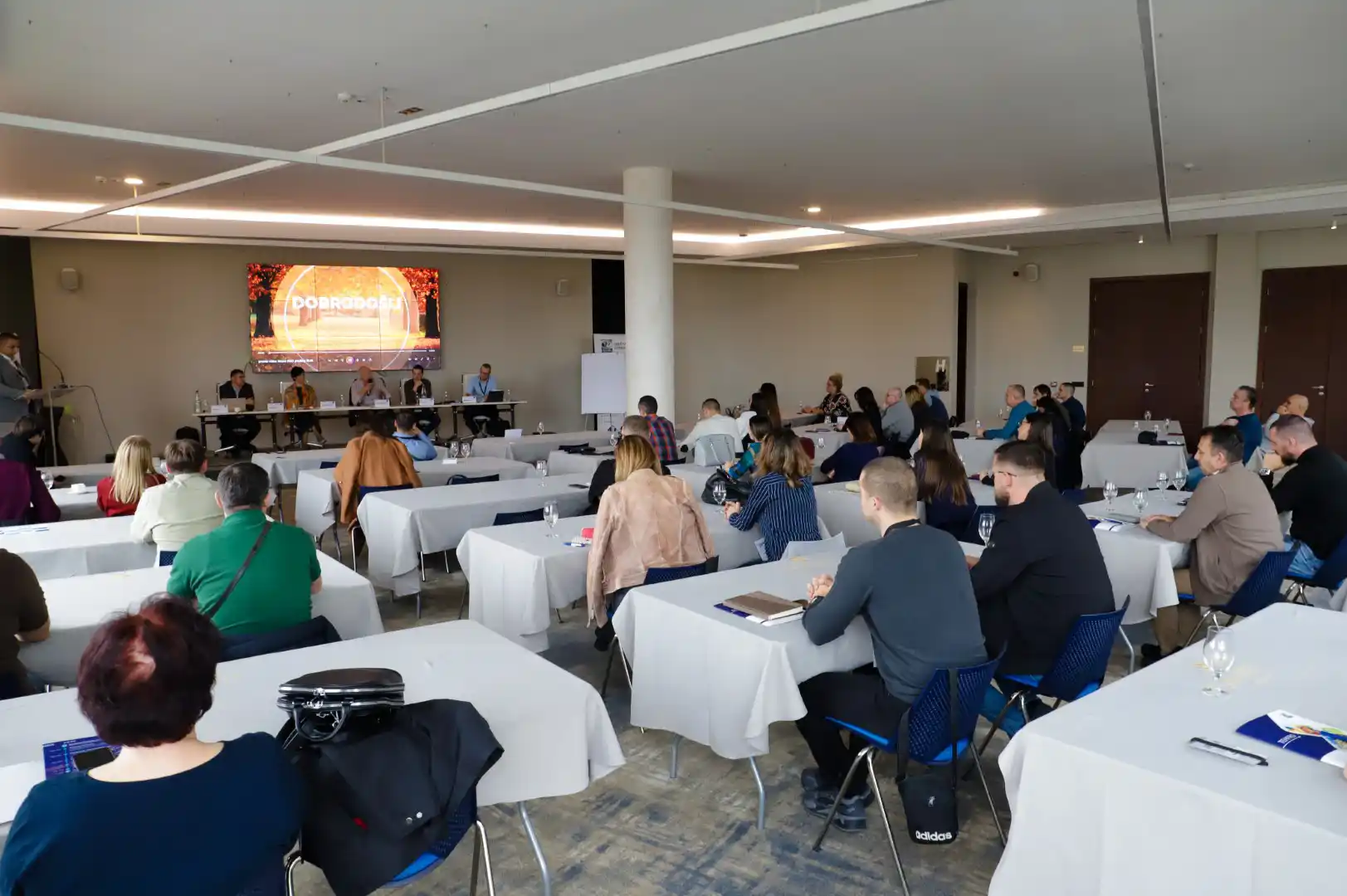
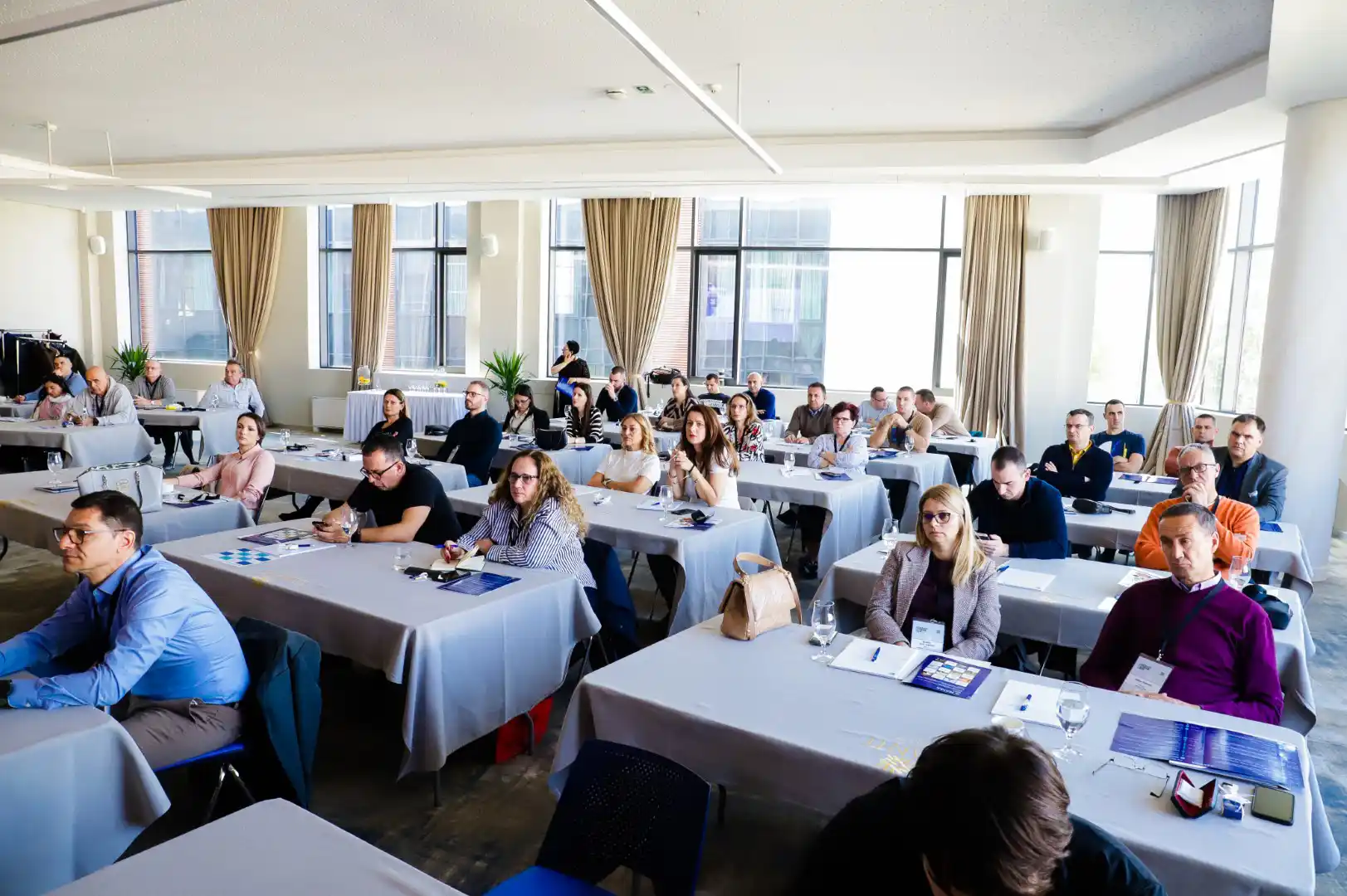
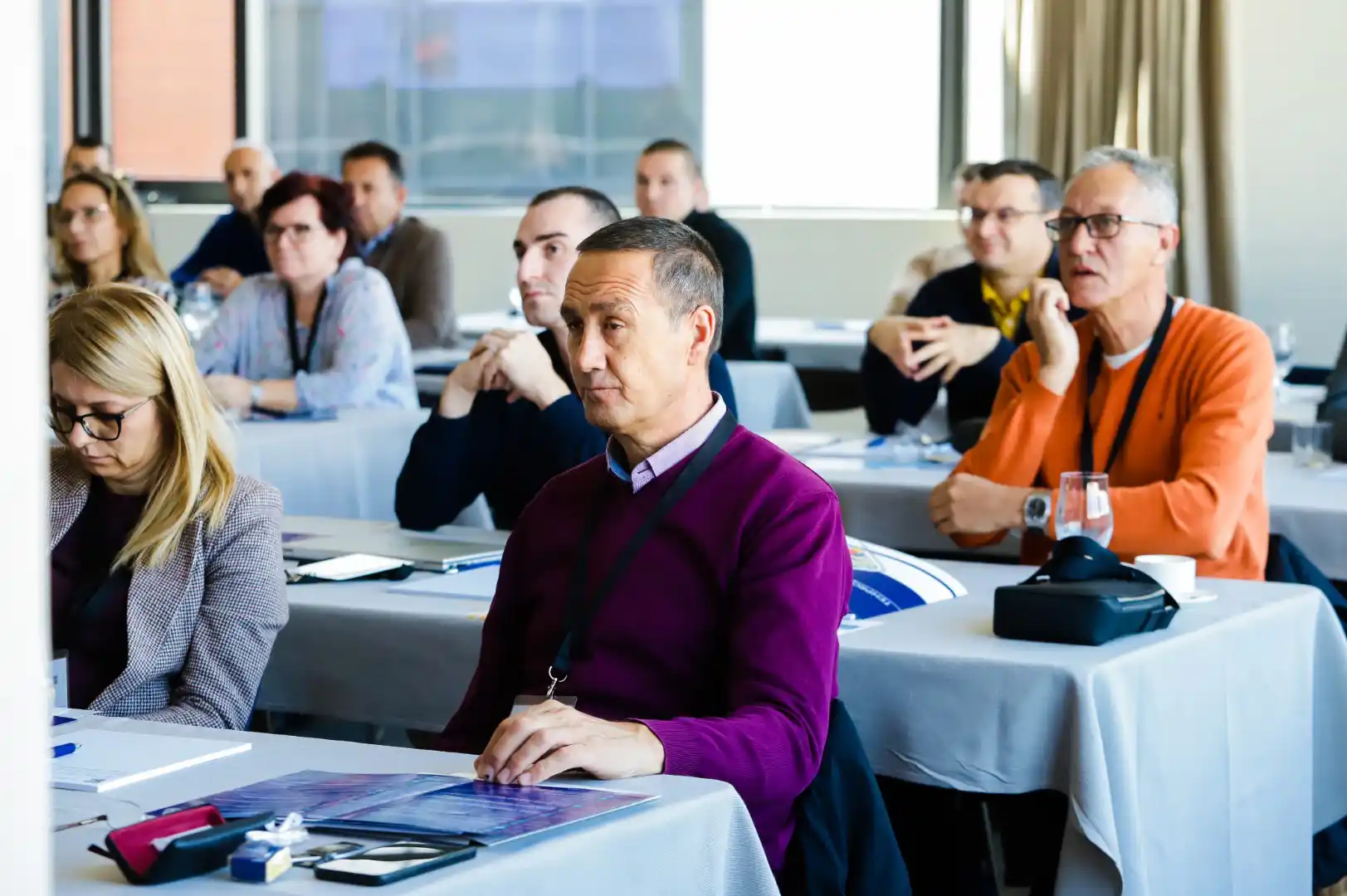
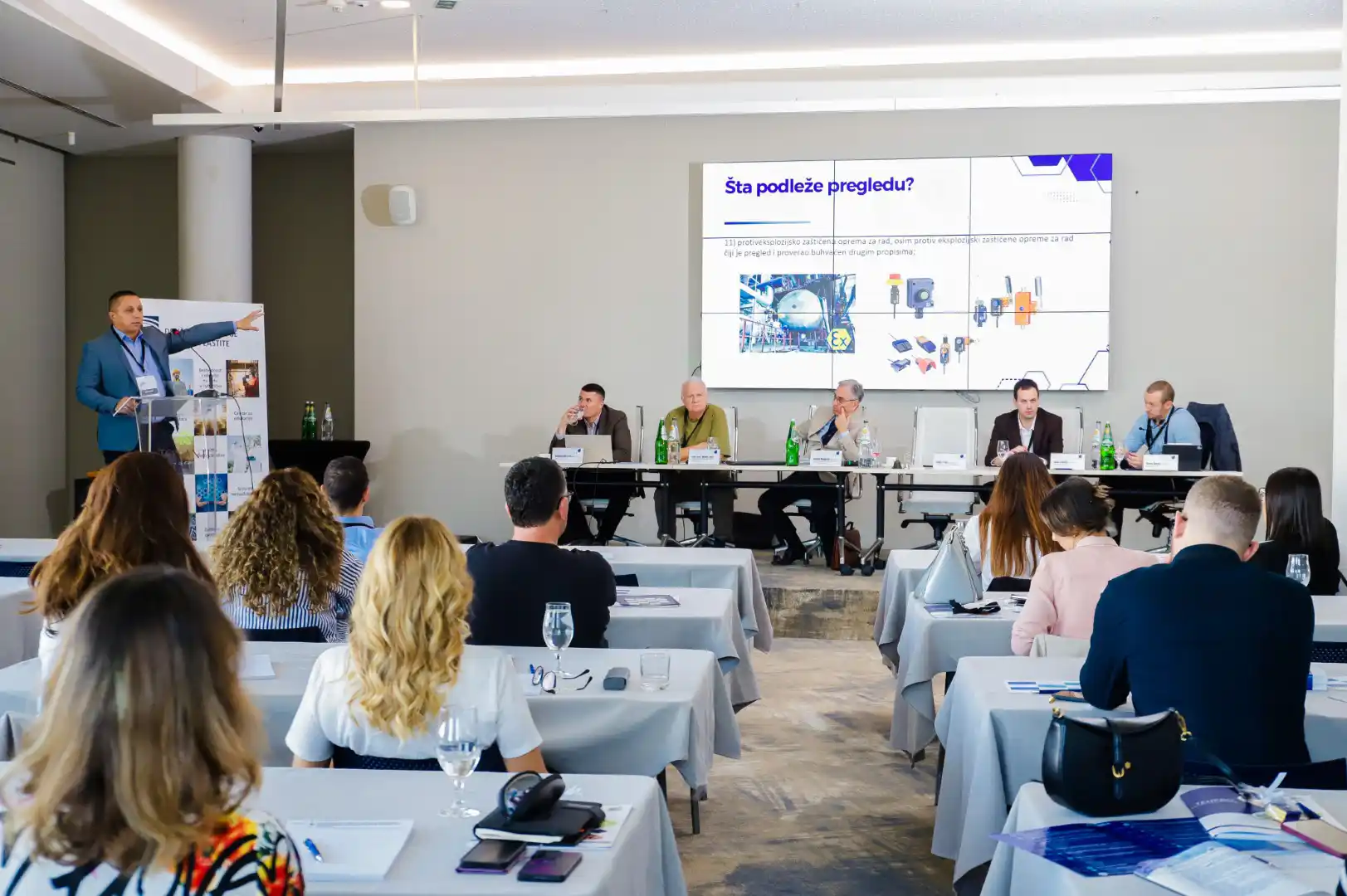
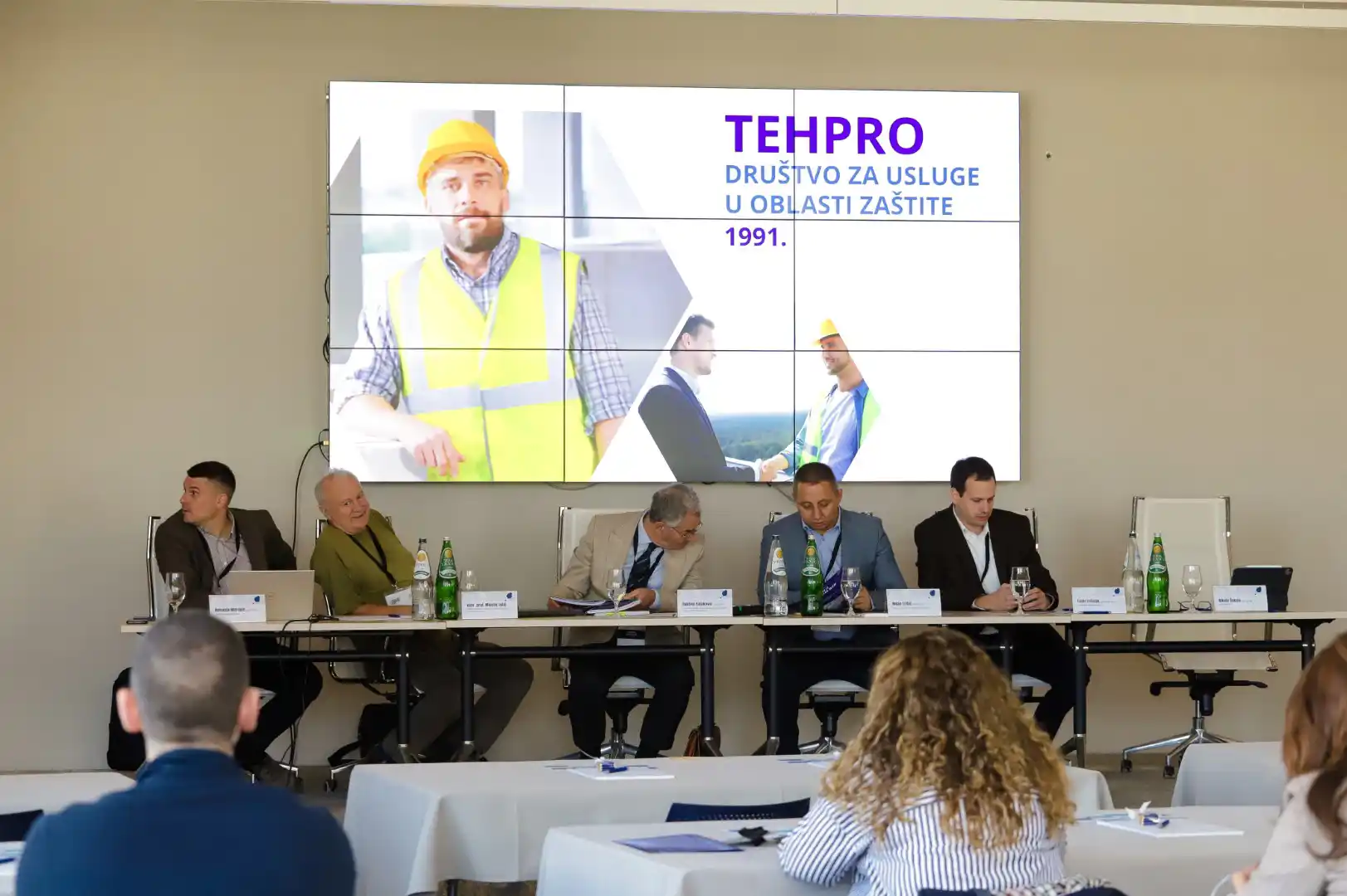
This year, we organized the Autumn OSH Forum 2025, a two-day event that brought together experts, company representatives, and partners from across the country, with the goal of sharing knowledge and practical solutions in the field of occupational safety and health.

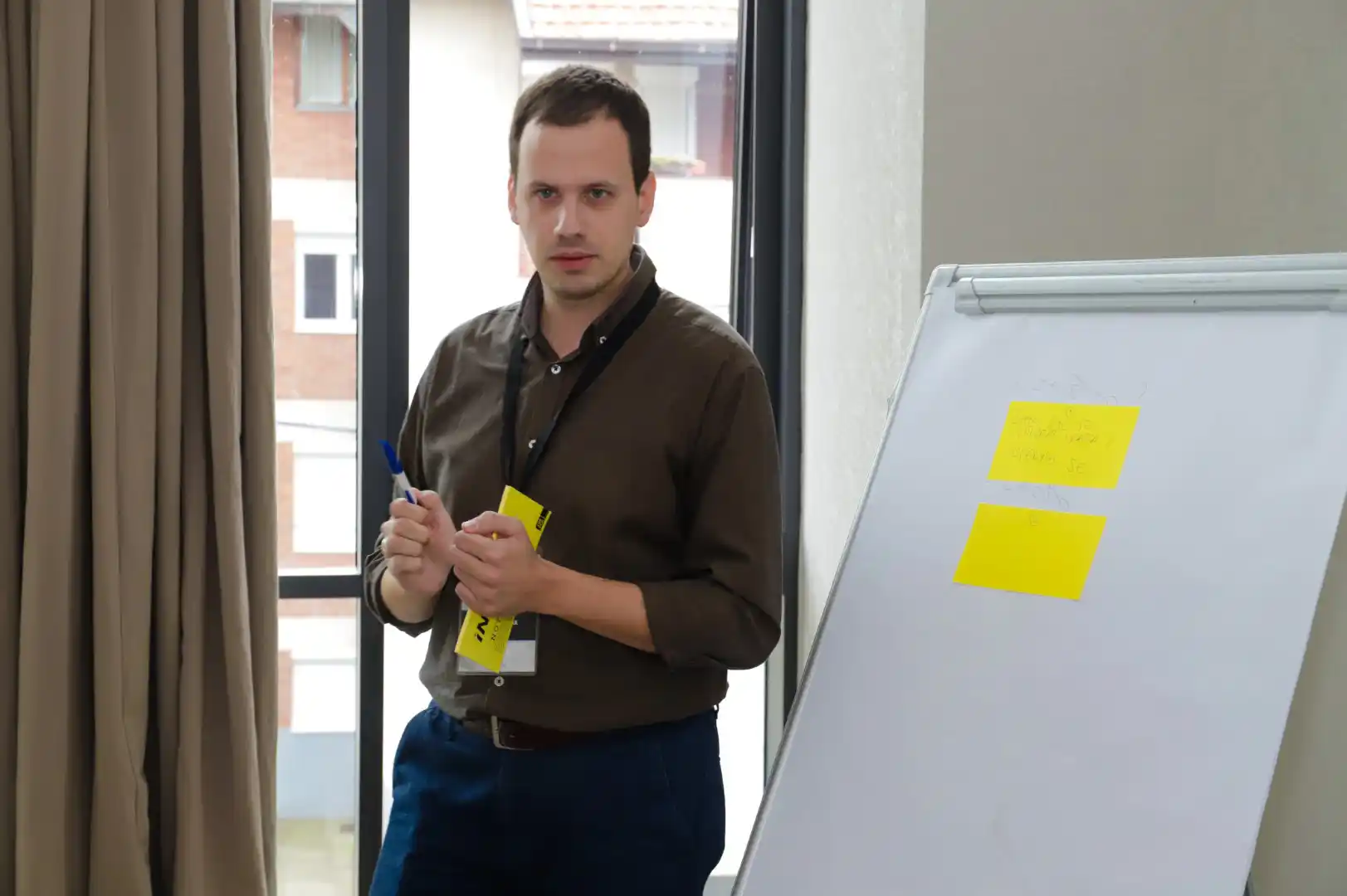
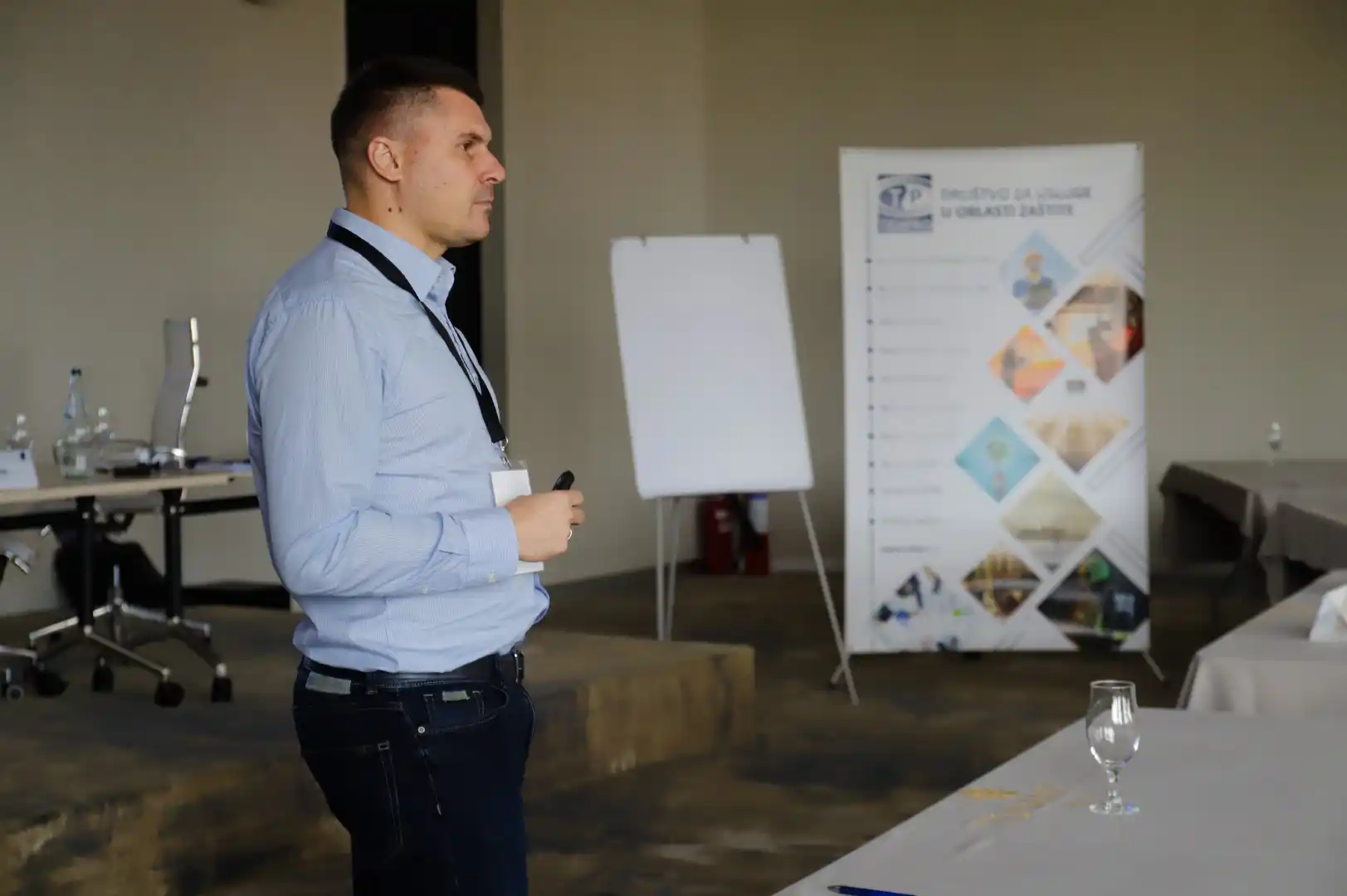
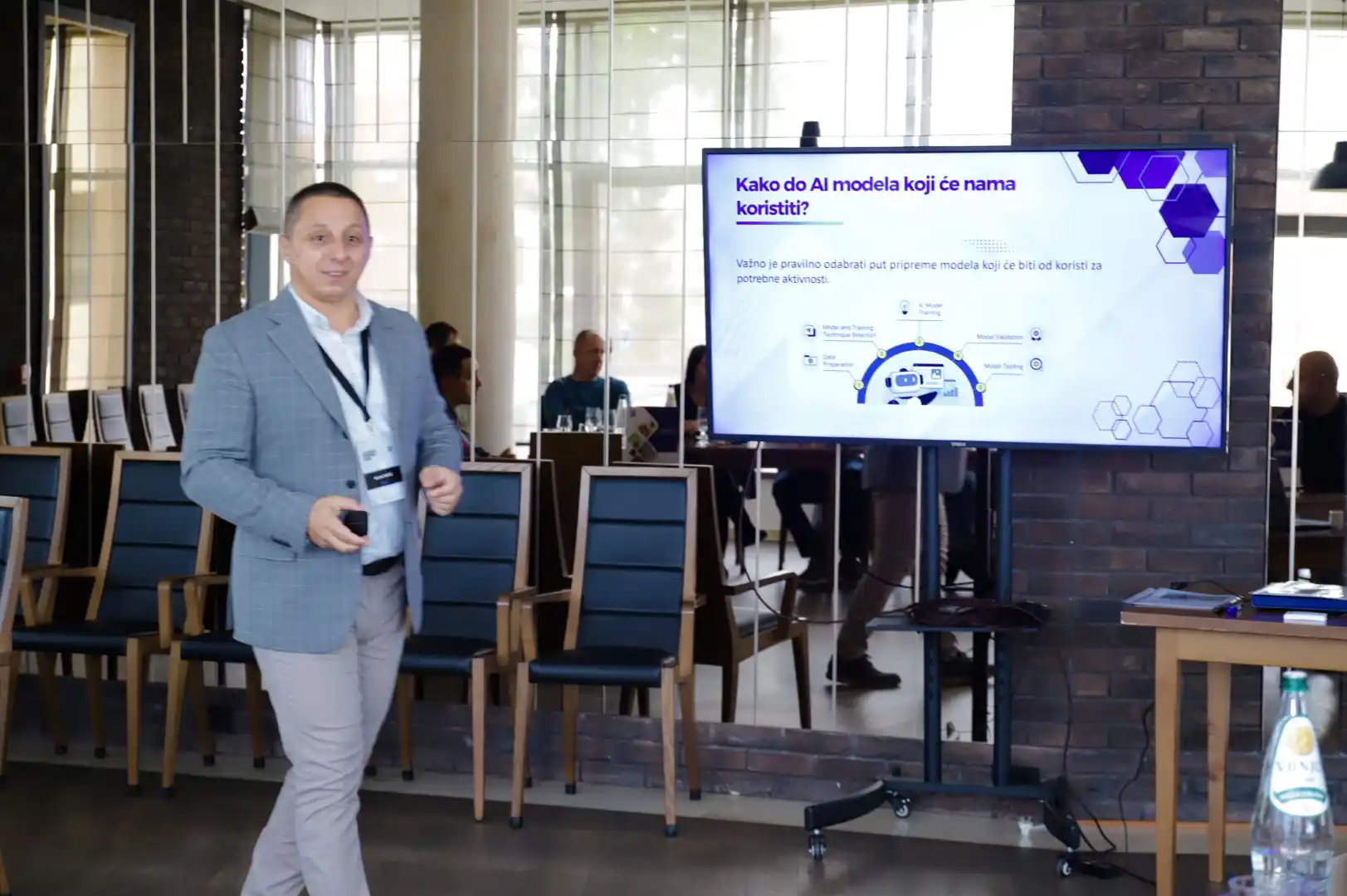
The forum program was diverse and interactive – ranging from professional lectures and panel discussions to workshops and practical exercises – allowing participants to explore current challenges from new perspectives and exchange experiences with colleagues and experts.

A special highlight of the event was the social gathering on the first day, where participants had the opportunity to connect and exchange professional contacts in a relaxed atmosphere. The forum was further enriched with interactive games and prize activities, adding fun and energy to the program.


We thank all participants for their engagement and contribution to the success of the Autumn OSH Forum 2025. Your dedication and interest reaffirm the importance of continuous knowledge exchange and the improvement of OSH practices.

We look forward to continued collaboration and to seeing you at upcoming Tehpro events.

Your TEHPRO TEAM